The company CLAAS has adopted the 3DEXPERIENCE platform from Dassault Systèmes and its expertise in industry solutions Single Source for Speed. Engineers and designers at CLAAS facilities worldwide have access to a unique source of product information that enables collaboration, design reuse, digital modeling before production, and consequently reduces waste and manufacturing corrections.
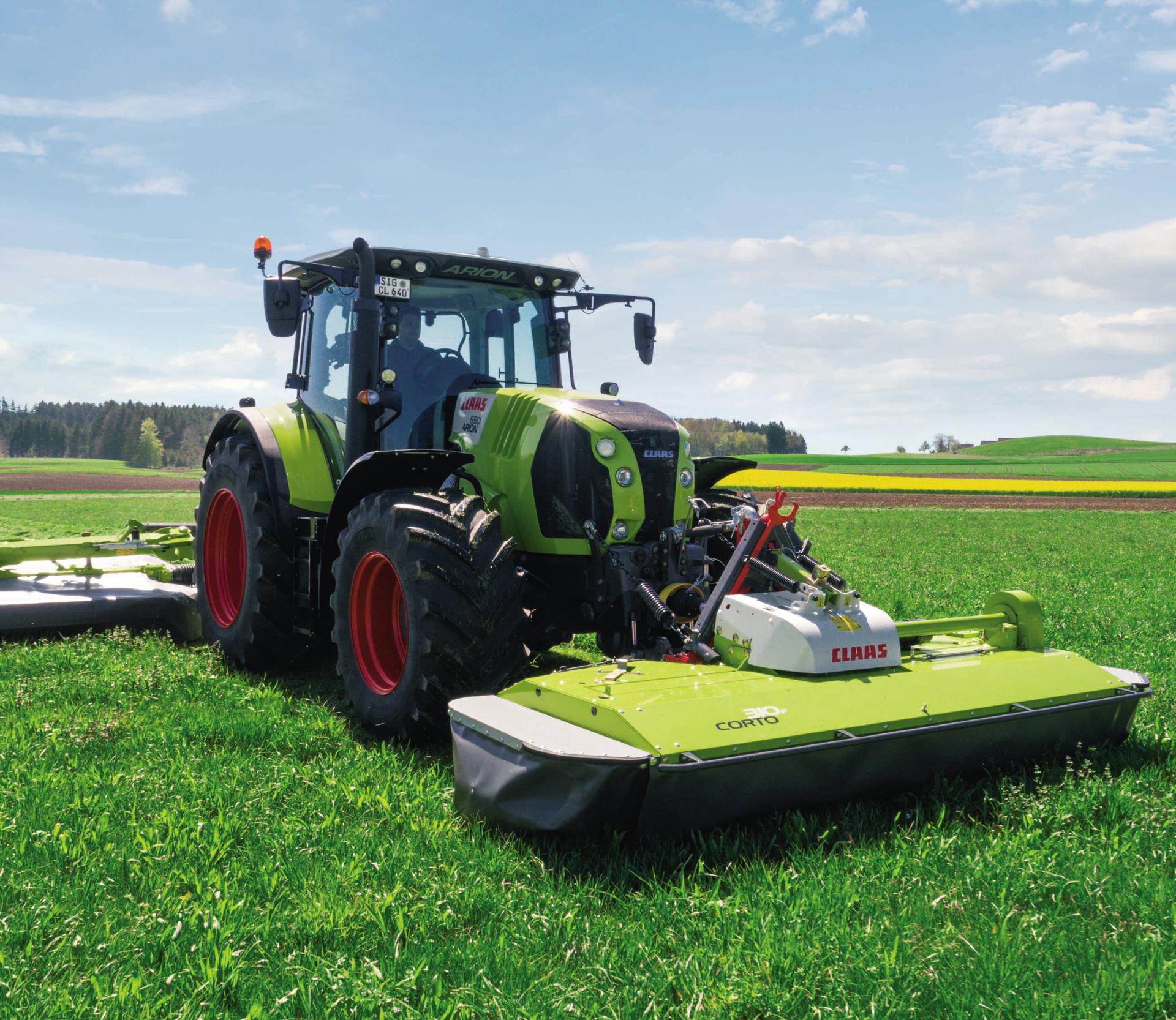
Sustainable production is one of the key trends of the 4th industrial revolution*. As the world’s population is expected to grow from 7 billion today to 11 billion by the end of the century, sustainable food production is becoming an increasingly priority task for governments, scientists, and businesses. “We need to double food production by 2050 if we want to meet global demands,” said Thomas Böck, Chief Technology and Systems Officer of the CLAAS Group, a leading global manufacturer of agricultural machinery, whose combines, forage harvesters, balers, and tractors are known for their technology and quality. (*1 Like its predecessors, the 4th industrial revolution represents a shift to new production processes. It is characterized by social, “smart,” and flexible production methods, including the use of new technologies to create products that better meet the expectations of customers and consumers. “If you look at the last 20-30 years, technological advancements in engineering have been related to size and power,” Böck said. “Today, the focus is on intelligent, energy-efficient machines that perform more tasks at minimal operating costs. These are the machines that farmers prefer, who talk less about the power or performance of machines and more about the efficiency of resource use. They need to efficiently harvest agricultural land and wisely use water and energy resources, as well as technology, to achieve greater productivity — higher yields,” he said. “At CLAAS
The Fourth Industrial Revolution will significantly improve customer service quality, and at CLAAS, innovation and technology go hand in hand with a flawless understanding of customer needs. “This understanding, along with our focus on service, is why our customers turn to us,” said Bök. The company employs a global team of creative design groups whose goal is to bring new and more efficient ideas into the design process. And always know what customers want.
“One of the very important areas of activity for CLAAS is research and development,” said Bök. “We are not the largest manufacturer in the world, so we must differentiate ourselves from our competitors through innovation and customer service. And to satisfy our customers, we must first understand their needs. By engaging customers, we will receive instant feedback on new ideas and, more importantly, whether they are relevant. This accelerates our development, giving us a competitive advantage.”

The 3DEXPERIENCE platform not only helps us manage data complexity but also significantly supports global collaboration.
CLAAS has engineering centers around the world that need to work together, regardless of borders. Moreover, the extensive product range of CLAAS means that the company creates and manages significant volumes of complex data. To facilitate global collaboration and manage the growing complexity of data, CLAAS uses the 3DEXPERIENCE® platform from Dassault Systèmes. “We want to bring new technologies and new business models to market faster. And digital transformation is the means to achieve this,” said Bök. “Furthermore, digital transformation, embedded in our corporate strategy, is a key success factor for interdisciplinary collaboration and data management.”
“The 3DEXPERIENCE platform plays a key role in digital transformation. It is our strategic platform for everything we do in design and digitalization — from idea to production and service,” said Nico Michels, head of digital product development at CLAAS. “All employees involved in the process are part of the digital transformation.” “The 3DEXPERIENCE platform not only helps us cope with complexity but also supports collaboration. We can work simultaneously on the same product or the same object from any CLAAS site. And not just in engineering departments, but also in all downstream departments that can gain simultaneous access to the product or specific object if needed,” Bök explained.

Leaders of the 4th industrial revolution think globally but act locally. CLAAS’s development and production sites around the world must design machines according to the company’s standards and practices. This requires coordinated processes, sharing the same data, and securely exchanging ideas and experiences across borders. “Global competition demands that manufacturers have the ability to design anywhere and produce anywhere. At CLAAS, we must prepare for the day when we have different design and production sites around the world that will produce our machines uniformly. We have implemented the 3DEXPERIENCE platform from Dassault Systèmes to assist in our international expansion by optimizing global collaboration among all our sites,” said Bernhard Schuchert, IT Director of CLAAS.
“Designers around the world have access to a unique data management system. They are authorized on the 3DEXPERIENCE platform according to the principle of ‘need to know,’ which protects our data from unauthorized access,” said Michels. “Product information is the same for everyone, which helps avoid mistakes that arise from using incorrect designs. Everyone has access to an integrated solution with the latest projects, which we only need to maintain once, as there is no longer any duplication of information.” Bernhard Schuchert continued: “Designers in India and Germany can work on the same component because they all have access to a unique database.”
With the 3DEXPERIENCE platform, CLAAS has an environment where designers can store and test their designs digitally before creating a prototype. “Creating smarter machines is a collective effort of several disciplines that must work together, and the sooner, the better,” said Bök. “Previously, systems engineers would start installing their equipment after mechanical design was completed,” said Kai Wallash, PLM Advanced Development Specialist. “If issues arose, redesign efforts sometimes escalated to unacceptable levels in terms of planning and costs. With the 3DEXPERIENCE platform, mechanical, electrical, and hydraulic engineers have simultaneous access to the project and can work in parallel rather than sequentially,” he said.
“Now they voice their requirements in advance so that they are considered before the mechanical design is completed. Adjustments are made on the fly in the digital environment. As a result, we have less waste and fewer errors during production, as electronic and hydraulic systems are placed at early stages of design. With the 3DEXPERIENCE platform, space requirements are modeled and detected early; we know what the outcomes will be before production, which speeds up the final physical assembly. Moreover, by simulating operator movements or service scenarios, we incorporate ergonomic considerations into our designs that are important for the machine operator and maintenance personnel,” said Wallash.
The lifecycle of machines is long, so it is important to upgrade equipment with new technologies as they emerge to continue providing maximum benefits to farmers. “Electronics, software, processors, memory devices—technologies typically have a shorter lifecycle than our machines,” said Bök. “To make our machines future-proof, we need to add new or upgrade existing technologies in the machines we produce, allowing them to provide sustainable added value to owners for many years. Since the design data for each machine we develop is stored and managed on the 3DEXPERIENCE platform, this information is easily accessible to add additional features throughout the machine’s lifecycle and provide them to the customer without the need to develop a new machine every time new technologies emerge.
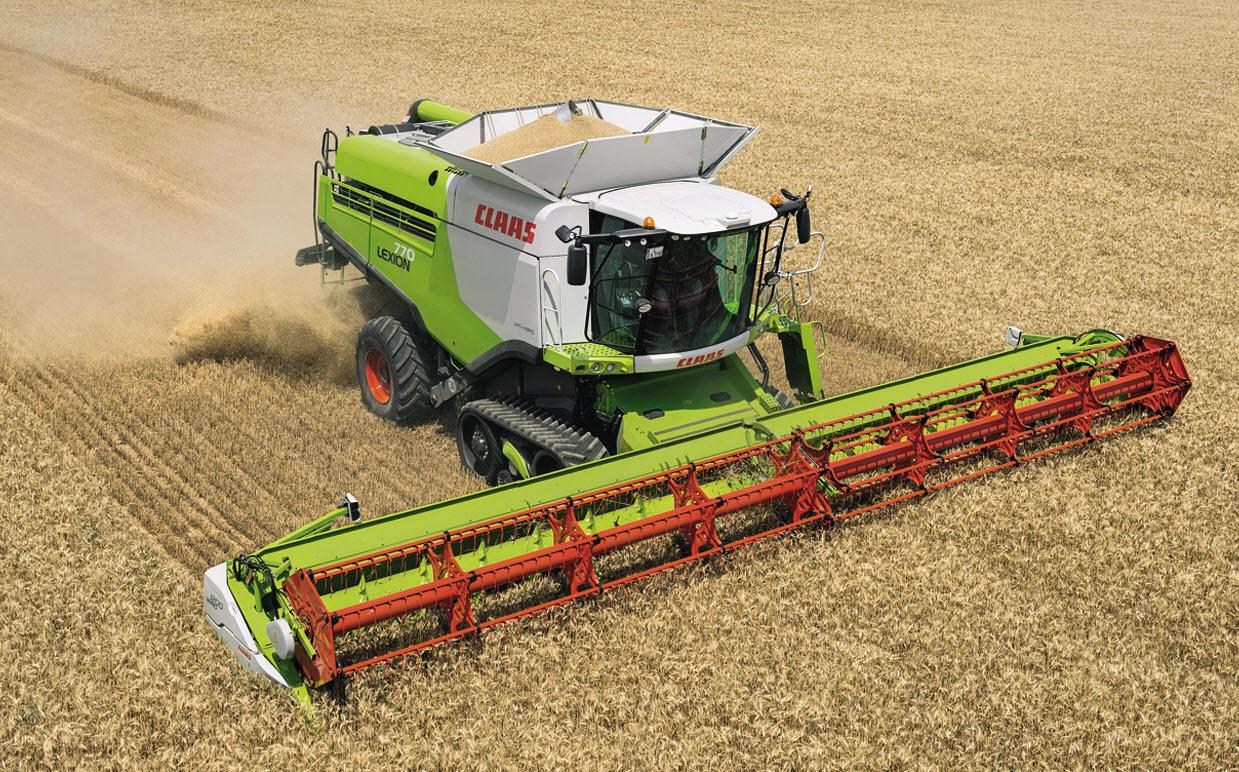
Digital transformation also means acquiring new knowledge, changing, redefining, or even dismantling organizational structures. “As for our processes, we have made significant improvements because we had the opportunity to shed old habits, as well as rethink and reorganize old ways of working. With the 3DEXPERIENCE platform, we are looking to the future,” said Michels.
According to Beck, gaining recognition for innovative products is good, but not enough for CLAAS. “We also need to be innovative in how we design and manufacture our machines; innovations in our processes, systems, and tools so that our responses meet the global challenges facing the agricultural sector. Agricultural technologies are changing rapidly. Digital transformation at CLAAS encompasses every stage from development to sales and connects us as a manufacturer with development partners, software suppliers, research institutes, and customers. It all starts with a common environment, a unique data link, and global access to this unique source of information for all project participants, wherever they may be. 3DEXPERIENCE enhances the efficiency of our research and development and helps us bring together talents from around the world on one unique platform so they can share know-how and ideas. This helps us bring innovative products to market faster, which is important for our customers and for the growth of our business on an international scale.”

Leading manufacturer of agricultural machinery.
Products: Combine harvesters, forage harvesters, balers, and tractors, field harvesting equipment.
Employees: 11,000
Revenue: €3.84 billion in 2017
Headquarters: Harsewinkel, Germany
https://www.claas-group.com/

